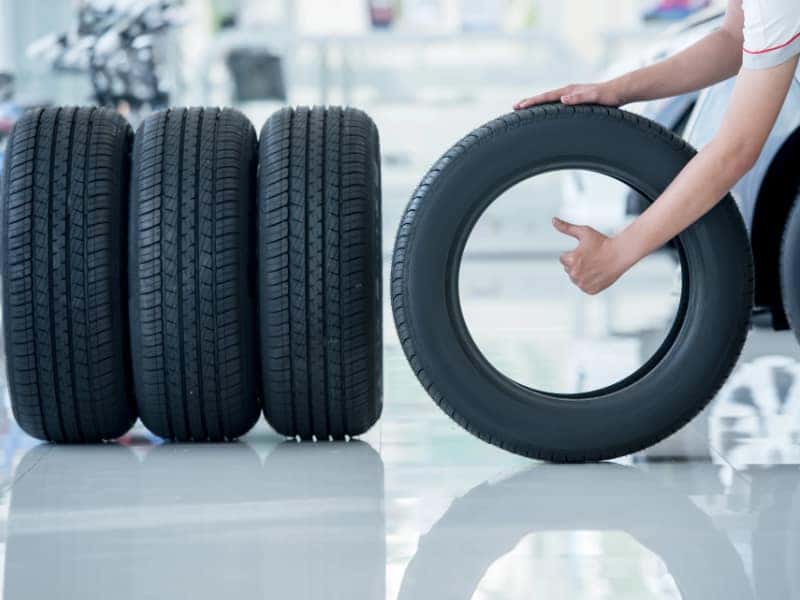
Every mile driven around Port Charlotte, North Port, and Venice, Florida, puts your tires to work, and Kia of Port Charlotte wants your set to last as long as possible. This guide on Kia tire maintenance breaks down the habits that keep tread healthy, pressure balanced, and your Kia road-ready for years of Southwest Florida driving.
Key Takeaways:
Your tires supply the only contact point between your Kia and the pavement, so their condition shapes braking distance, cornering grip, and overall control. Gulf Coast heat, sudden downpours, and long stretches of highway all place extra demand on tread and rubber compound.
Small issues often show up early. A slow leak, an uneven wear pattern, or a shallow section of tread can signal a bigger problem forming underneath the surface. Catching these signs during a routine visual inspection keeps small concerns from turning into roadside emergencies.
Regular attention protects the rest of your vehicle. Alignment, suspension components, and fuel economy all connect to tire condition, so tire care fits naturally alongside other maintenance visits.
Service Expert Insight: A professional tire inspection once a year, paired with monthly checks at home, gives your Kia's tires the best odds of reaching their full mileage potential.
Tires lose air naturally over time, around one PSI per month, even absent damage to the tire itself. Pressure that drifts below the recommended level increases fuel consumption, generates excess heat, and accelerates wear along the edges of the tread.
Here is how you can maintain proper pressure and protect the longevity of your Kia’s tires:
Correct pressure is best measured when tires are cool, ideally before driving or after covering under three miles at low speed. If a tire feels warm from recent driving, add four to five PSI above the manufacturer's recommended value, or allow around three hours for the tire to cool before checking again.
Selecting tires suited to your Kia's size, load index, and driving style sets the foundation for long-term performance. Advisors at our Kia service center match tires to your vehicle's specifications and typical driving conditions.
Rotation is equally important. Front and rear axles carry weight differently, so tires wear at different rates depending on position. Rotating tires on a consistent schedule allows tread to wear evenly and extends usable mileage across the set.
Driving habits play a role too. Smooth acceleration, gradual braking, and reduced speed on wet roadways all ease the strain placed on tread and rubber compound. Respecting load capacity limits also protects against excess heat buildup, which can shorten tire life significantly.
Service Expert Insight: Our Kia service center backs new tire purchases with a price match guarantee, 24-month road hazard coverage, and installation from Kia-trained technicians.
Rotation intervals vary by model, often landing around every 10,000 miles or once a year. Your owner's manual lists the exact schedule for your Kia. Consistent rotation supports even wear and longer tire life.
Tread wear indicators built into the tire signal when replacement time approaches. The penny test works too: place a penny upside down into the tread. Full visibility of Lincoln's head means new tires are due soon.*
Yes, considerably. Hard acceleration and aggressive braking scrub rubber away quickly, while fast cornering loads the outer tread edge. Smooth, gradual inputs behind the wheel ease the strain and support longer tire life.
Tire care plays a central role in keeping every drive around Port Charlotte, North Port, and Venice, FL, safe and dependable. Reach out to Kia of Port Charlotte with questions about tire pressure, rotation schedules, or finding the right set for your Kia.
*Source: Car and Driver